

You can now write blog posts directly on your actor website: a listing page, individual posts at their own addresses, images, and everything on your own domain.
A resume on paper is one page with everything squeezed onto it. A resume on a website is a set of sections, each of which can be as long as it needs to be, and each of which a design can place where it makes sense.

There is now an orders screen behind your store. Every enquiry becomes a record you can move through statuses, annotate and search.
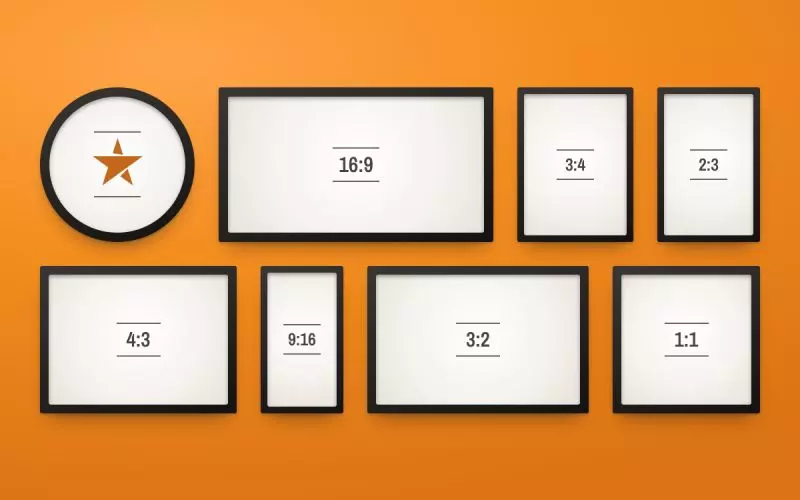
You open a page, start reading, go to tap a link, and everything moves down the screen a fraction of a second before your finger lands. You tap the wrong thing.

Products in your store can be grouped into categories, each with several images, a description and a sort order.

The navigation on your website is built from the pages in your account. Add a page and it appears. Rename it and the label changes. Reorder it and the menu follows.

You can now list things for sale on your actor website. Products, categories, images and descriptions, presented on a page in your own design rather than on a platform somewhere else.
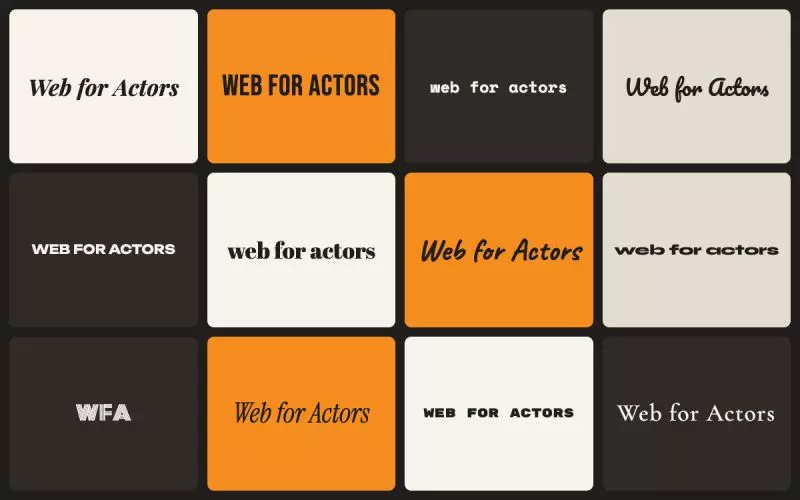
When a page uses a downloaded font, the text is painted first in whatever font is already on the device, then repainted when the real one arrives.

Two related improvements. Stylesheets are considerably smaller, and a change you make in your design settings shows up immediately rather than whenever your browser decides to look again.

Every design in the catalog carries its own stylesheet, and what reaches a visitor is not the file a theme author wrote.

Premium designs now offer a sticky menu: it stays at the top of the window as the visitor scrolls, instead of disappearing after the first screen.

Type a numbered list in the editor and a numbered list appears on your website. Bold text stays bold, a heading stays a heading, and a paragraph break stays a paragraph break.